
Bedroom Interior Design Trends 2026: Technology Meets Comfort
Bedroom interior design 2026 tells a story about intimacy, intelligence, and comfort. The bedroom has become more than a place of rest—it is a sanctuary where
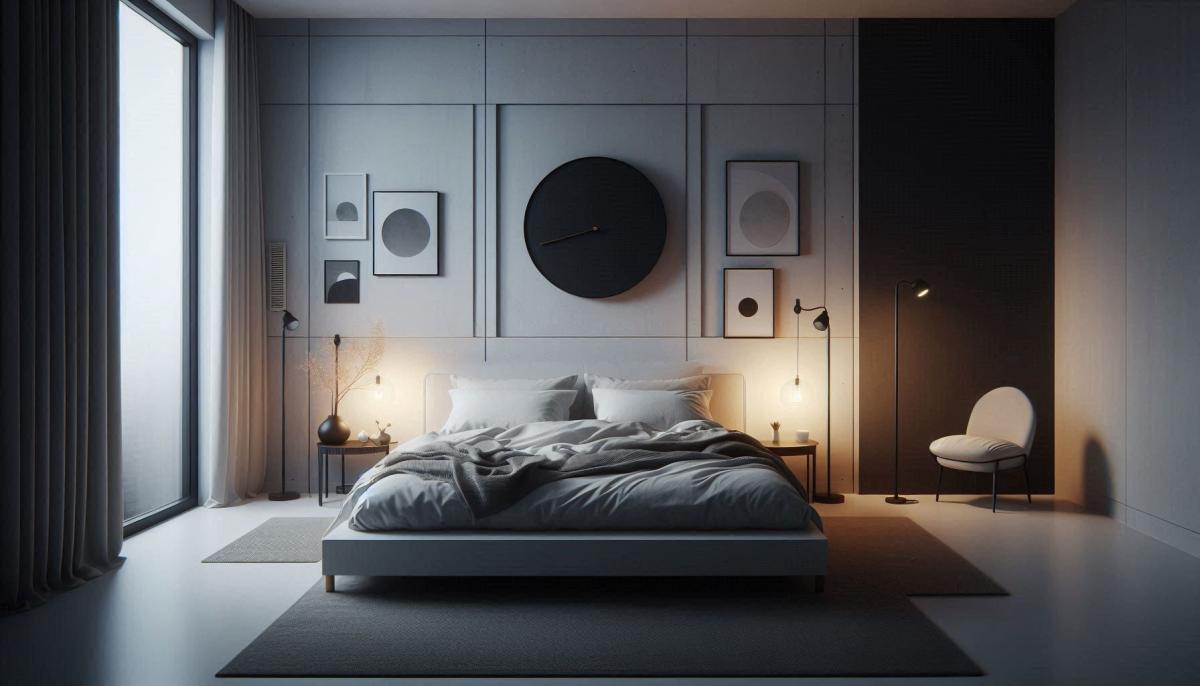
fin.co.id - Bedroom interior design 2026 tells a story about intimacy, intelligence, and comfort. The bedroom has become more than a place of rest—it is a sanctuary where technology quietly works in the background, materials embrace the senses, and wellness takes center stage. Across global design capitals, from New York to Copenhagen, designers are reimagining what it means to create a truly modern bedroom. The result is a new aesthetic of harmony, one that reflects innovation while respecting timeless values of comfort and human connection.
Why This Feels Revolutionary
Baca Juga
The modern home has always evolved with cultural shifts, and the bedroom often reflects our most personal needs. What makes 2026 different is the depth of integration. Technology no longer sits as a shiny add-on; it dissolves into daily rituals. At the same time, comfort is no longer defined solely by plush fabrics or oversized pillows. Instead, comfort becomes systemic: the air you breathe, the way light meets your circadian rhythm, the temperature that adjusts to your body’s needs.
This holistic approach transforms design into lifestyle architecture. As Architectural Digest highlights, Behr’s Color of the Year “Hidden Gem,” a grounding blue-green, signals how interiors now serve emotion and biology, not just surface-level beauty (architecturaldigest.com ).
Lighting as the Soul of the Space
Designers have long known that light influences mood, but in 2026, lighting systems act as invisible wellness coaches. Circadian lighting adjusts gradually throughout the day: cool, bright tones stimulate productivity in the morning; warm, amber hues prepare the mind for sleep at night. What once felt like luxury hotel innovation is now a residential standard.
As Veranda notes, earthy tones dominate interior palettes—terracotta, ochre, olive, clay—colors that resonate with natural cycles and feel harmonious with circadian-driven light (veranda.com ). Lighting design no longer decorates; it orchestrates an atmosphere that makes the bedroom both energizing and calming, depending on the hour.
Voice and Motion: Quiet Luxury
Gone are the days when technology shouted its presence with bulky gadgets. In 2026, quiet luxury defines bedroom tech. Voice commands lower blackout shades, adjust climate, and cue curated soundscapes. Motion sensors activate soft under-bed lighting, guiding steps without interrupting sleep.
The innovation lies in invisibility. Hardware integrates into headboards, walls, and nightstands. Technology doesn’t demand attention—it simply anticipates needs. This seamlessness embodies what luxury means today: intuitive, effortless, and emotionally intelligent.
Sleep as Wellness
The wellness movement reaches its apex in the bedroom. Sleep is no longer seen as downtime but as active recovery. Smart beds in 2026 measure breathing, heart rate, and micro-movements, adapting firmness and temperature to ensure deeper rest.
Paired with clean-air systems, soundproofing techniques, and customizable soundscapes, these innovations elevate rest into a science-backed ritual. According to Better Homes & Gardens, Dutch Boy’s Color of the Year “Melodious Ivory”—a creamy, warm neutral—embodies this shift toward softness and recovery, proving how even color choices support wellness (bhg.com ).
Baca Juga
Wellness-driven design transforms the bedroom into an environment that doesn’t just host sleep but actively enhances it.
Sustainability Meets Innovation
Sustainability is no longer optional; it’s central. Designers in 2026 champion eco-conscious technologies: solar-integrated charging stations, modular smart devices that extend lifespan, and systems that reduce energy waste. Materials also play a crucial role. Organic linen, bamboo fiber, recycled woods, and natural clay finishes meet the demand for tactile comfort and ecological responsibility.
This alignment between sustainability and luxury reflects a new cultural ethic. Bedrooms now mirror personal values—choosing green solutions signals sophistication as much as style. A 2026 bedroom feels timeless because it respects both human and environmental well-being.
Palette, Texture, and Materiality
Color tells the story of emotion. 2026 palettes lean into earthy and grounding tones, layered with textures that evoke nostalgia and intimacy. Behr’s “Hidden Gem” suggests serenity through blue-green depth, while Dutch Boy’s “Melodious Ivory” frames spaces with enveloping warmth. Together, they demonstrate how color choices influence mental and physical balance.
Baca Juga
Textures matter as much as tones. Designers combine bouclé, washed linen, matte ceramics, and unfinished woods to bring tactile depth. Surfaces that invite touch replace glossy perfection. Bedrooms no longer feel staged but lived in, with an emphasis on authenticity.
Biophilic Design and Nature’s Influence
Biophilic design principles shape bedrooms worldwide in 2026. Large windows maximize daylight. Indoor greenery—from sculptural olive trees to cascading ivy—adds life and oxygen. Materials like stone, hemp, and rattan reinforce a sense of natural belonging.
Research consistently shows how nature-connected interiors reduce stress and improve cognitive function. Bedrooms become mini-ecosystems where organic presence balances the sophistication of technology.
Artisanal Craft Revival
Another global movement in 2026: the return of craftsmanship. Even in high-tech bedrooms, handwoven rugs, bespoke ceramics, and artisanal woodwork carry cultural narratives. This revival of craft offers an antidote to digital dominance, grounding interiors in human touch.
As Elle Decor frequently highlights, craftsmanship elevates a space beyond trend—transforming design into cultural storytelling. A smart lamp feels warmer when paired with a handmade ceramic base. A motion-sensing dresser drawer feels more soulful when crafted from reclaimed oak.
Cross-Cultural Influences
Global design languages converge in bedrooms. Scandinavian minimalism meets Japanese wabi-sabi, Mediterranean earthiness pairs with New York’s sharp modernism. This cross-cultural fusion enriches bedrooms with layers of narrative.
The bedroom in 2026 is not just globalized—it’s personalized. Designers tailor influences to reflect identity, whether through Moroccan textiles, Nordic palettes, or Italian lighting.
Design as Lifestyle Statement

Bedroom Interior Design Trends 2026, Image: DALL·E 3
Ultimately, the bedroom in 2026 functions as a lifestyle mirror. Every choice—whether sustainable fabric, circadian lighting, or wellness-integrated bed—communicates values. People no longer design only for aesthetics; they design for how they live, rest, and recover.
Stepping into such a bedroom feels less like entering a high-tech space and more like entering a nurturing retreat. Technology supports without intrusion. Materials comfort without pretense. The experience feels deeply personal, intelligent, and profoundly human.
Berita Terkait