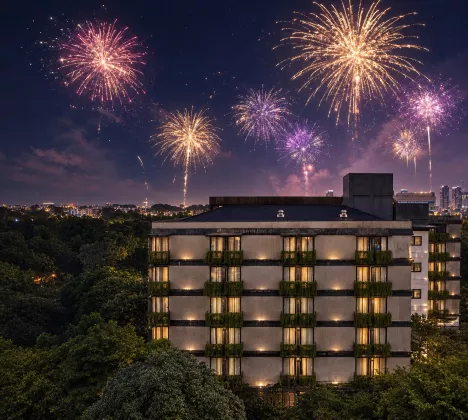
Biophilic Home Design 2026: Bringing Nature into Modern Living
Discover how biophilic home design in 2026 integrates natural light, textures, greenery, and wellness-focused interiors to transform modern living

fin.co.id - Imagine stepping into a home that feels alive—a sanctuary where the natural world flows seamlessly into your living space. In 2026, biophilic home design transcends aesthetics; it is a philosophy shaping how we inhabit, breathe, and rejuvenate within our walls.
Designers across the globe no longer settle for interiors that merely look appealing. They craft ecosystems infused with light, air, texture, and greenery, reconnecting inhabitants with nature amid an increasingly digital world (Designers Circle HQ ).
Baca Juga
Understanding Biophilic Design in 2026
Biophilia, a term popularized by biologist E.O. Wilson, reflects the innate human need to connect with nature. Applied to interior design, it manifests as spaces integrating natural light, organic materials, and living plants in harmonious ways.
By 2026, this concept has evolved into a global design language. From Tokyo to Copenhagen, architects embrace biophilic principles for aesthetics and wellness.
Online searches for “biophilic architecture” have surged by over 150% in two years according to Realtor® Magazine, reflecting growing interest in interiors that combine sustainability with emotional well-being (Realtor Magazine ).
Light as the New Luxury
Natural light serves both function and emotion. Designers prioritize circadian lighting systems that mimic the sun’s rhythms. Oliver Heath, featured in Dezeen, explains, “Light simulation will become foundational like a good mattress,” emphasizing the role of biophilic lighting in supporting well-being (Dezeen ).
Skylights, floor-to-ceiling windows, and reflective surfaces amplify sunlight, crafting open, airy environments even in dense urban settings.
Nature-Inspired Materials and Textures
Sustainable wood, clay, handwoven textiles, and natural stone dominate biophilic interiors. Veranda notes that 2026’s color trends favor earth tones such as terracotta, ochre, olive, and sandy beige (Veranda ).
Layered textures—rough jute beside smooth marble, matte clay paired with polished brass—engage multiple senses, offering tactile richness that mirrors the complexity of nature. Interiors designed this way invite touch and interaction, delivering restorative experiences beyond the visual.
Plants as Architectural Elements
Baca Juga
Plants are no longer mere decorative accents. Vertical gardens, living walls, and indoor trees function as structural components. Realtor® Magazine notes that living features increasingly define circulation and anchor spaces (Realtor Magazine ).
Olive or lemon trees indoors create focal points while improving air quality. Edible walls blur the line between design, wellness, and sustainability, allowing residents to live amidst the food they consume.
Wellness-Focused Interiors
Biophilic homes prioritize restorative living. Bedrooms become sanctuaries with natural wood finishes, soft acoustics, and minimal visual clutter. Bathrooms integrate spa elements, from water features to humidity control.
Kitchens embrace edible gardens and hydroponics, marrying nutrition with design. Livingetc emphasizes that integrating natural elements into daily life promotes mental clarity and emotional balance (Livingetc ).
Invisible Technology
Baca Juga
Smart home technology in biophilic spaces remains discreet. AI-driven air quality monitors, automated lighting, and irrigation for living walls operate seamlessly without disrupting organic aesthetics.
Architectural Digest underscores the importance of technology serving, rather than dominating, the natural experience (Architectural Digest ).
Global Inspirations for Biophilic Homes
Different regions offer unique interpretations of biophilic design. Japanese wabi-sabi embraces imperfection and aging materials. Scandinavian interiors highlight light, minimalism, and wooden textures. Mediterranean homes pair terracotta floors with climbing bougainvillea.
Urban U.S. apartments innovate with rooftop gardens and modular living walls. This variety demonstrates the universality and adaptability of biophilic principles.
The Future of Biophilic Living
By 2026, biophilic home design is not merely aesthetic—it fosters physical and emotional well-being. Homes become living ecosystems, breathing alongside their inhabitants.
This approach redefines comfort, transforming everyday life into a restorative experience. Integrating light, materials, greenery, and wellness-driven layouts enables residents to reconnect with nature daily. Homes embracing this philosophy are visually striking and health-promoting.
Berita Terkait